



Call Us
+86-18332577666
Email Us
xiaomengxuan123@126.com

How Can Corrugated Postal Packaging Boxes Reduce Shipping Costs and Protect Your Products
ZHONGYI, an experienced packaging manufacturer and supplier in China, provides customized corrugated postal packaging boxes designed to protect shipments, improve packing efficiency, and support brand recognition. With flexible dimensions, multiple corrugated structures, and optional printing and reinforcement, businesses can choose packaging that fits their products and shipping requirements.
Corrugated postal packaging boxes are essential for e-commerce fulfillment, retail shipping, corporate samples, and international parcel delivery. Their fluted paper structure provides cushioning and rigidity, while customizable dimensions help reduce unnecessary void space and packaging waste. Selecting the appropriate board thickness, box size, printing method, and protective features can improve parcel handling and control overall shipping costs. This guide explains corrugated box construction, material selection, customization options, technical specifications, quality control, and purchasing considerations to help businesses choose practical packaging solutions.
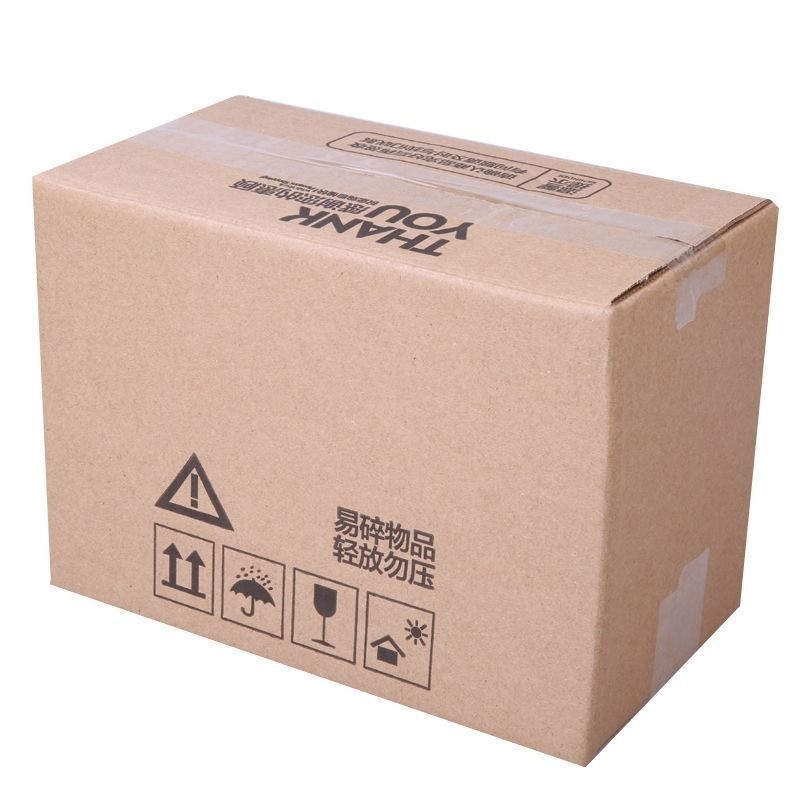
Table of Contents
- What Are Corrugated Postal Packaging Boxes?
- What Benefits Do These Boxes Offer?
- How Do You Choose the Right Materials and Specifications?
- Which Customization Options Should You Consider?
- Where Are Corrugated Postal Boxes Used?
- How Can You Evaluate Packaging Quality?
- What Should Buyers Check Before Ordering?
- Frequently Asked Questions
- Conclusion: Choose Packaging That Fits Your Business
What Are Corrugated Postal Packaging Boxes?
Corrugated postal packaging boxes are shipping containers manufactured from corrugated cardboard, a material made by combining flat paper liners with a fluted inner layer. This structure creates space between the paper layers, helping the box resist compression and absorb some impact during transportation.
Unlike generic cartons with fixed dimensions, custom postal boxes can be tailored to the size, weight, shape, and protection requirements of specific products. Businesses can also select printing, lamination, internal dividers, and structural reinforcement to meet different distribution needs.
Modern postal packaging should balance three essential requirements:
- Protection: The box must provide sufficient rigidity and cushioning for the packaged item.
- Shipping efficiency: Appropriate dimensions help reduce excess packaging and unnecessary dimensional weight.
- Presentation: Custom printing and a clean package design reinforce brand identity throughout delivery.
For companies shipping products regularly, a carefully specified box can support a more consistent packing process and reduce avoidable packaging problems.
Explore related corrugated cardboard materials to understand the board options available for different packaging requirements.
What Benefits Do These Boxes Offer?
1. Reliable Protection During Transit
Postal parcels may experience stacking pressure, vibration, handling impacts, and changes in environmental conditions. A suitable corrugated structure helps the outer package maintain its shape and protects the contents against routine distribution stresses.
Lightweight goods may require a single-wall structure, while heavier products or parcels subject to greater stacking pressure may benefit from double-wall corrugated board. Fragile items can also require fitted inserts, dividers, or additional cushioning because box strength alone does not eliminate the risk of internal movement.
2. Better Control of Shipping Costs
Many courier services consider parcel dimensions as well as actual weight when calculating shipping charges. An oversized box may increase dimensional weight and require additional void-fill materials.
Custom sizing allows businesses to match the carton more closely to the packaged product. The resulting benefits can include:
- Less unnecessary packaging material.
- More efficient use of warehouse and vehicle space.
- Faster product packing and carton assembly.
- Potential reductions in dimensional shipping charges.
Actual savings depend on courier pricing rules, shipment dimensions, order volume, and the amount of protective cushioning required.
3. Stronger Brand Recognition
Packaging is often the first physical interaction a customer has with an online business. Custom-printed corrugated boxes can display logos, brand colors, product information, handling instructions, and after-sales details.
A consistent design makes parcels easier to identify and creates a more professional delivery experience. For e-commerce sellers, this can help connect the shipping process with the broader brand experience.
4. Practical Storage and Handling
Many postal box designs can be supplied flat before assembly, allowing businesses to store unused packaging in less warehouse space. Standardized box dimensions also help packing teams establish repeatable workflows and simplify inventory management.
How Do You Choose the Right Materials and Specifications?
The correct corrugated structure depends on product weight, fragility, box dimensions, transportation conditions, and stacking requirements. Choosing the thickest board for every parcel can increase material costs unnecessarily, while an underspecified carton may fail during distribution.
The following specifications summarize the options listed for ZHONGYI's corrugated postal packaging boxes. They should be confirmed against the final product design and order quotation before purchase.
| Specification | 3-Ply B-Flute | 5-Ply BC-Flute |
|---|---|---|
| Board structure | Single-wall corrugated board | Double-wall corrugated board |
| Approximate thickness | 3 mm | 6–7 mm |
| Listed material details | 120 g linerboard + 100 g corrugated medium | 140 g thickened kraft linerboard; full board construction should be confirmed |
| Recommended load capacity | Up to 8 kg | Up to 25 kg |
| Primary advantage | Lightweight and economical | Greater rigidity and stacking resistance |
| Typical applications | Accessories, small parcels, lightweight merchandise | Heavier goods, books, footwear, and general merchandise |
Important: Recommended load capacities are starting points rather than universal guarantees. Actual performance varies with box dimensions, board quality, moisture exposure, closure methods, internal support, and handling conditions. Request appropriate testing when the contents are fragile, valuable, or heavy.
Available Box Sizes
ZHONGYI lists several indicative size ranges to accommodate different products:
- Small: 100 × 80 × 60 mm to 300 × 200 × 200 mm, suitable for small accessories and jewelry samples.
- Medium: 300 × 200 × 150 mm to 500 × 300 × 300 mm, suitable for cosmetics and general merchandise.
- Large: 500 × 300 × 300 mm to 700 × 400 × 400 mm, suitable for clothing and small appliances.
These are reference ranges, not a complete list of available dimensions. Confirm whether the requested measurements refer to internal or external dimensions, particularly when a product requires a close fit or specific courier compatibility.
Which Customization Options Should You Consider?
Customization should solve a practical packaging problem rather than add unnecessary complexity. The most useful options are those that improve product fit, transit protection, packing efficiency, or brand presentation.
Custom Dimensions and Structural Design
Adjusting the length, width, and height helps accommodate individual products or standardized product sets. For businesses with multiple product categories, a carefully planned range of carton sizes can reduce the number of packaging SKUs while maintaining suitable protection.
Printing and Surface Finishes
Depending on the order requirements, custom boxes can feature single-color or multicolor printing, logos, shipping marks, and handling instructions. Lamination can provide additional surface protection against scuffs and moisture, although the actual performance depends on the specified finish and exposure conditions.
Reinforcement and Internal Protection
Options may include reinforced handles, double-layer bottoms, deeper creasing, and internal dividers. These features can improve handling or separate multiple products inside a single parcel.
For fragile goods, internal inserts should hold the item securely without applying excessive pressure. Test the complete package, including its cushioning and closure, instead of evaluating the empty carton alone.
How to Select the Best Combination
- Choose the board structure according to the packed weight and expected stacking pressure.
- Match the internal dimensions to the product and necessary protective materials.
- Add printing when package identification or brand presentation is important.
- Consider moisture-resistant finishes when the distribution environment justifies them.
- Use dividers or fitted inserts for multiple items or products that may collide.
Businesses needing stronger shipping cartons can also review heavy-duty industrial cartons for comparison.
Where Are Corrugated Postal Boxes Used?
Because their dimensions and board structures can be adapted, corrugated postal packaging boxes serve a broad range of commercial shipping requirements.
E-Commerce and Online Retail
Apparel, footwear, cosmetics, accessories, consumer electronics, and creative merchandise can benefit from appropriately sized shipping cartons. Custom dimensions help improve packing consistency, while printed branding creates a recognizable delivery package.
Corporate Samples and Promotional Gifts
Manufacturers and distributors frequently ship product samples, exhibition materials, promotional kits, and business gifts. A well-fitted carton helps keep items organized and supports a professional presentation.
Cross-Border Parcel Delivery
International shipments may pass through multiple handling stages and encounter longer transit times. Appropriate board strength, secure closures, and protective internal packaging are therefore important. Where humidity is a concern, buyers should evaluate suitable moisture-resistant treatments and verify performance under relevant conditions.
Food, Cosmetics, and General Merchandise
Corrugated cartons can serve as outer shipping packaging for many consumer products. However, packaging intended for direct food contact or regulated applications requires verification of the complete material system and applicable compliance requirements. Do not assume that a carton is suitable for direct contact simply because starch-based adhesive is used.
How Can You Evaluate Packaging Quality?
Consistent quality depends on material selection, manufacturing accuracy, adhesive performance, printing control, and inspection. A reliable supplier should be able to explain how these factors are checked and which tests are appropriate for the intended shipment.
ZHONGYI describes a quality-control process that includes incoming material checks, print proofing, finished-box sampling, performance testing, and production record keeping.
When evaluating a prospective supplier, consider the following checkpoints:
- Raw materials: Confirm the board grade, paper specifications, thickness, and moisture requirements.
- Dimensional accuracy: Check box measurements, folding lines, slots, and assembly fit.
- Bonding quality: Inspect seams and glued areas for separation or inconsistent adhesion.
- Printing consistency: Verify colors, logo positioning, text legibility, and artwork accuracy against the approved proof.
- Performance testing: Select compression, drop, vibration, or moisture-related tests according to the shipment's risks.
- Traceability: Confirm that production specifications and inspection records can be linked to the relevant order or batch.
For high-value or export shipments, request samples and assess the fully packed parcel under conditions that reasonably represent actual distribution. Testing methods and acceptance criteria should be agreed upon before mass production.
What Should Buyers Check Before Ordering?
Clear purchasing specifications reduce misunderstandings and help packaging manufacturers provide more accurate recommendations and quotations.
Before requesting a quote, prepare the following information:
- Product details: Product dimensions, packed weight, fragility, and quantity per carton.
- Box measurements: Required internal dimensions and any dimensional restrictions imposed by the courier.
- Material requirements: Preferred flute type, board strength, or required testing criteria.
- Branding requirements: Logo files, artwork, print colors, and any required shipping labels.
- Environmental conditions: Expected humidity, storage duration, transport method, and stacking conditions.
- Order volume: Initial quantity, forecast demand, delivery schedule, and potential repeat orders.
- Sample approval: Prototype requirements and the process for approving the final design before production.
Compare quotations based on the complete specification rather than unit price alone. Board grade, printing, protective finishes, tooling, order quantity, packing method, and freight arrangements can all influence the final cost.
Lead times and minimum order quantities should be confirmed for the specific design. Standard unprinted boxes may follow a different production schedule from cartons requiring custom printing, lamination, or structural changes.
Frequently Asked Questions
1. What are corrugated postal packaging boxes mainly used for?
They are used to package and ship products through postal, courier, and e-commerce distribution networks. Common applications include apparel, cosmetics, accessories, small electronics, business samples, and promotional gifts.
2. Should I choose 3-ply or 5-ply corrugated boxes?
Three-ply B-flute boxes are generally suitable for lightweight products, while five-ply BC-flute boxes provide a stronger double-wall structure for heavier goods and greater stacking demands. The final choice should account for product weight, dimensions, fragility, and shipping conditions.
3. Can corrugated postal packaging boxes be customized with a company logo?
Yes. Custom printing can incorporate logos, brand colors, product information, handling instructions, and other approved artwork. Printing methods and minimum order quantities depend on the selected design and production requirements.
4. Are corrugated postal boxes recyclable?
Paper-based corrugated boxes are generally recyclable where appropriate collection and recycling facilities are available. Recyclability may be affected by coatings, laminations, adhesives, contamination, and local recycling rules. Ask the supplier about the specific material combination if recyclability is a priority.
5. Can custom box dimensions help reduce shipping costs?
Yes. A better-fitting box can reduce excess packaging and may lower dimensional weight charges. Savings depend on the courier's pricing formula, parcel dimensions, shipment weight, and the amount of protection required.
6. What information is needed to request a quotation?
Provide the product dimensions and weight, required box size, preferred board structure, printing artwork, estimated order quantity, and delivery requirements. Photos or product samples can help the manufacturer recommend a suitable design.
7. Can moisture-resistant corrugated postal boxes be produced?
Moisture-resistant options may be available through specified surface treatments or lamination. The appropriate solution depends on exposure duration and humidity. Confirm the required performance and test the finished packaging before using it for demanding transport conditions.
Conclusion: Choose Packaging That Fits Your Business
Effective postal packaging is a balance of protection, material efficiency, shipping dimensions, and brand presentation. By matching board strength to product weight, selecting suitable box dimensions, and using customization only where it adds value, businesses can build a more consistent and cost-conscious shipping process.
ZHONGYI offers customizable corrugated postal packaging boxes with options for different board structures, dimensions, printing, lamination, and reinforcement. Whether you are improving e-commerce fulfillment, preparing corporate samples, or managing cross-border shipments, the right specifications start with a clear understanding of your products and distribution conditions.
Ready to improve your shipping packaging? Explore ZHONGYI's corrugated postal packaging boxes and contact us with your product dimensions, material preferences, printing requirements, and order quantity. Our team can help you evaluate suitable customization options and request a packaging solution tailored to your business.
Send Inquiry
-
E-mail
X
We use cookies to offer you a better browsing experience, analyze site traffic and personalize content. By using this site, you agree to our use of cookies.
Privacy Policy
News
 Recycling: The Green Loop of Corrugated Board2026/07/22
The environmental value of corrugated board lies not only in its renewable raw materials but also in its highly efficient global recycling system.
 Board Grades: From Single-Wall to Triple-Wall2026/07/22
Corrugated board is not a one-size-fits-all material.