



Call Us
+86-18332577666
Email Us
xiaomengxuan123@126.com

Home
>
Products > Corrugated Cardboard
> EE-Flute Double Wall Corrugated Cardboard
>
Water-Resistant EE-Flute Double Wall Corrugated Board



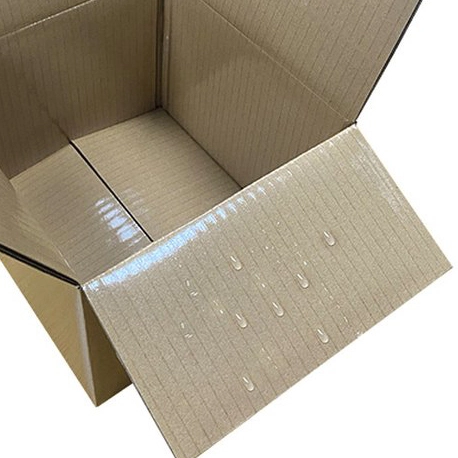
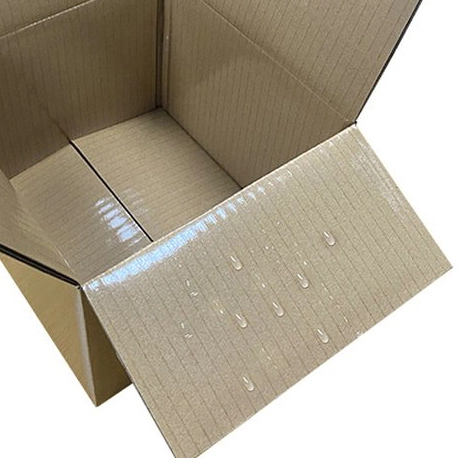
Water-Resistant EE-Flute Double Wall Corrugated Board
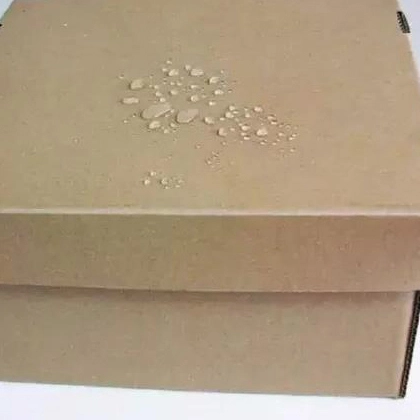
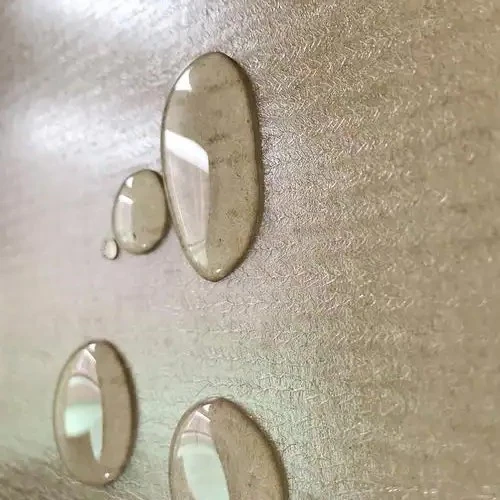
Water-Resistant EE-Flute Double Wall Corrugated Board uses a five-layer EE structure. Through the use of moisture-resistant base paper, surface water-repellent treatments, or other suitable processes, it improves the board’s performance in humid environments and conditions involving brief contact with moisture. Zhongyi Intelligent Packaging Co., Ltd. can evaluate paper materials and treatment methods according to warehousing, logistics, and export packaging requirements, helping customers make appropriate selections that balance print quality, structural support, and moisture-resistance requirements.
Send Inquiry
Product Description
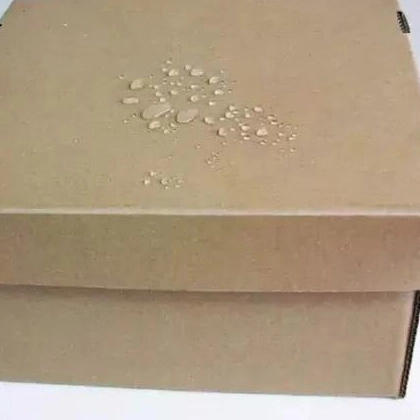
Water-Resistant EE-Flute Double Wall Corrugated Board uses a five-layer EE structure, with moisture-resistant base paper, surface water-repellent treatments, or other suitable processes selected according to the intended application to reduce the effects of humidity and brief moisture exposure on the board. The product can be used for certain humid warehousing environments, logistics transportation, and export packaging. Zhongyi Intelligent Packaging Co., Ltd. supports discussions on material solutions based on actual operating conditions, helping customers better match their moisture-resistance requirements when purchasing Water-Resistant EE-Flute Double Wall Corrugated Board. The actual level of protection depends on the materials, treatment methods, and application environment.
I. What Is Water-Resistant EE-Flute Double Wall Corrugated Board?
Water-Resistant EE-Flute Double Wall Corrugated Board is based on a composite structure consisting of two E-flute layers, with additional moisture-resistant or water-repellent measures applied to the paper materials or surfaces.
Its basic structure is:
Outer Liner + E-Flute + Center Liner + E-Flute + Inner Liner
Standard EE double-wall corrugated board mainly focuses on surface flatness, printability, and conventional packaging protection. Water-resistant EE board additionally considers the effects of water vapor, humidity, and brief moisture exposure on board performance.
It is important to note that water resistance depends on the specific materials, coatings, edge treatment, and processing methods. Standard moisture-resistant board, splash-resistant surface-treated board, and specialty board designed to withstand more substantial moisture exposure are not the same product and should not all be described as completely waterproof.
II. What Treatment Methods Are Available for Water-Resistant EE-Flute Double Wall Corrugated Board?
1. Select Base Paper with Better Moisture Resistance
The moisture-absorption characteristics of the paper affect the board’s performance in humid environments. Selecting suitable base paper according to the intended application can help reduce the effects of humidity changes, but it cannot completely prevent moisture from entering the paper layers.
2. Apply Surface Water-Repellent Treatments
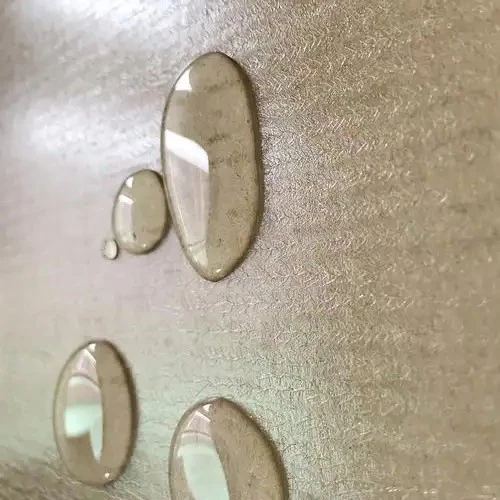
Suitable coatings or surface treatment methods can be evaluated according to specific requirements to reduce the rate at which moisture wets and penetrates the board surface.
Surface treatments may affect ink adhesion, lamination, and bonding performance. Therefore, if the packaging requires color printing or subsequent processing, process compatibility should be confirmed before production.
3. Pay Attention to Cut Edges and Seams
Surface treatment of the board does not mean that cut edges, crease lines, and carton seams have the same level of water resistance. For packaging that may be exposed to brief splashes, the carton structure and potential moisture entry points should also be considered.
4. Combine Materials and Treatments According to Actual Conditions
For refrigerated storage, humid logistics environments, or export transportation, the specific configuration should be determined according to ambient humidity, temperature changes, transportation duration, and the likelihood of moisture exposure, rather than simply adding a surface coating.
III. What Applications Are Suitable for Water-Resistant EE-Flute Double Wall Corrugated Board?
Humid Warehousing Environments
For products stored in environments with high humidity, where ordinary cartons may become damp easily, EE-flute double-wall corrugated board with appropriate moisture-resistant treatments can be evaluated.
Actual performance also depends on warehouse ventilation, floor moisture protection, cargo placement, and storage duration. Board treatment alone cannot solve every moisture-related problem.
Logistics and Transportation Packaging
Goods may encounter brief exposure to water vapor or small water droplets during transportation and handling. Board treated with appropriate water-repellent methods can be considered as a packaging option. However, if continuous exposure to rain or substantial water ingress is possible, the overall packaging solution requires further evaluation.
Outer Packaging for Electronic Products and Daily Necessities
For electronic accessories, daily necessities, and other goods requiring a certain level of moisture protection, moisture-resistant board can be selected according to the sensitivity of the products and transportation conditions. If the products themselves must not be exposed to water vapor, separate inner packaging or sealed protection should also be provided.
Certain Export Packaging Applications
Sea freight and long-distance transportation may involve temperature differences, condensation, and high humidity. Water-Resistant EE-Flute Double Wall Corrugated Board can be evaluated according to actual transportation conditions, but it should be considered alongside moisture-resistant inner packaging, desiccants, and container moisture-control measures. It cannot independently guarantee that goods will remain dry throughout the entire transportation process.
IV. What Is the Difference Between Water-Resistant EE and Standard EE?
| Comparison Item | Standard EE Double-Wall Corrugated Board | Water-Resistant EE-Flute Double Wall Corrugated Board |
| Basic Structure | Five-layer EE | Five-layer EE |
| Main Applications | Conventional packaging and printing | Packaging with additional moisture-resistance or water-repellency requirements |
| Material Treatment | Selected according to conventional applications | Additional treatments applied according to moisture-resistance requirements |
| Performance in Humid Environments | Requires evaluation based on the paper materials | Can be optimized for the intended operating environment |
| Printing Process | Selected according to standard paper surface requirements | Compatibility between surface treatments and inks must be confirmed |
| Long-Term Immersion | Not suitable | Standard water-resistant treatments are generally not suitable either |
The main difference lies in the moisture-resistant or water-repellent treatments, rather than a change in the corrugated structure. If higher compression resistance is also required, the base paper strength and finished carton structure should be confirmed separately.
V. How Should the Specifications of Water-Resistant EE-Flute Double Wall Corrugated Board Be Determined?
There is no single set of specifications for Water-Resistant EE-Flute Double Wall Corrugated Board that applies to all waterproofing conditions. When purchasing, both the basic board performance and water-resistance requirements should be confirmed.
| Parameter | Selection Guidelines |
| Corrugated Structure | Five-layer EE double-wall corrugated board |
| Board Thickness | Confirm according to the actual structure and production specifications |
| Base Paper Grammage | Configure according to support, printing, and cost requirements |
| Water-Resistant Treatment | Select according to requirements such as moisture resistance or short-term splash resistance |
| Edge Crush Strength | Determine according to carton load-bearing and stacking requirements |
| Bursting Strength | Determine according to the goods and transportation conditions |
| Surface Treatment | Confirm according to printing, lamination, and processing requirements |
| Water-Resistance Testing | Agree on test methods and acceptance requirements according to the actual application |
If the packaging will be used under specific humidity or moisture-exposure conditions, the testing method should be established in advance. For example, a test involving brief surface contact with water cannot directly prove that the board is suitable for long-term immersion. Likewise, edge crush strength measured under dry conditions does not directly represent the board’s ability to retain strength in high-humidity environments.
VI. How to Choose Suitable Water-Resistant EE-Flute Double Wall Corrugated Board
Identify the Type of Moisture Protection Required
If the main concern is high ambient humidity, moisture-resistance requirements should be prioritized. If brief exposure to splashing water is possible, the effectiveness of surface water-repellent treatment should be further evaluated. If prolonged contact with water or outdoor exposure is expected, the overall packaging solution should be reassessed.
Confirm Printing and Subsequent Processing Requirements
If the packaging requires color printing, lamination, or die-cutting, the production supplier should be informed in advance. Some water-repellent coatings may affect ink adhesion and adhesive performance, so process compatibility needs to be evaluated.
Consider Cargo Weight and Carton Structure at the Same Time
Water-resistant treatment does not automatically provide high compression resistance. If the carton must also withstand multi-layer stacking or heavy cargo, board strength, carton dimensions, and stacking conditions should be confirmed as well.
Test Samples Before Placing a Bulk Order
For projects with clearly defined water-resistance requirements, it is advisable to test samples under actual operating conditions before finalizing the materials and processing methods. This can help reduce application risks more effectively than purchasing based solely on the product name “water-resistant.”
VII. Customization and Supply Services from Zhongyi Intelligent Packaging Co., Ltd.
Zhongyi Intelligent Packaging Co., Ltd. can evaluate material configurations and surface treatment options for Water-Resistant EE-Flute Double Wall Corrugated Board according to customers’ product characteristics, carton specifications, transportation environments, and processing requirements.
For long-term export or standardized packaging projects, product configurations can be adjusted based on sample test results and actual application feedback. If printing, die-cutting, or bonding processes are involved, compatibility between the different processes should be confirmed before production.
To obtain a quotation for Water-Resistant EE-Flute Double Wall Corrugated Board, customers can provide the board dimensions, order quantity, application environment, moisture-resistance requirements, and printing requirements. The specific product configuration, production lead time, and inventory status should be confirmed according to the actual order.
VIII. Frequently Asked Questions (FAQ)
Q1: Can Water-Resistant EE-Flute Double Wall Corrugated Board be directly exposed to rainwater?
A: This depends on the specific water-resistant treatment. Some products can withstand brief exposure to water droplets or light splashes, but they should not be assumed to withstand prolonged exposure to rain or immersion.
Q2: How can the moisture-resistance performance of Water-Resistant EE-Flute Double Wall Corrugated Board be verified?
A: The application environment and protection requirements should be clearly defined, and the supplier should confirm the moisture-resistant or water-repellent process used. For projects with specific performance requirements, relevant tests can be conducted to verify the results.
Q3: Can Water-Resistant EE-Flute Double Wall Corrugated Board be used for color printing?
A: This can be evaluated, but compatibility between the surface treatment and the ink, lamination, and bonding processes must be confirmed.
Q4: Can the dimensions and grammage of Water-Resistant EE-Flute Double Wall Corrugated Board be customized?
A: Suitable configurations can be confirmed according to equipment capabilities, order specifications, and load-bearing requirements.
Q5: Is Water-Resistant EE-Flute Double Wall Corrugated Board suitable for cold-chain packaging?
A: Some products with appropriate moisture-resistant treatments can be used for cold-chain outer packaging. However, low temperatures, high humidity, and condensation conditions should be evaluated, and practical testing should be conducted when necessary.
Related Products
B-Flute Corrugated Cardboard
C-Flute Corrugated Cardboard
E-Flute Corrugated Cardboard
BC-Flute Double Wall Corrugated Cardboard
BE-Flute Double Wall Corrugated Cardboard
BB-Flute Double Wall Corrugated Cardboard
EE-Flute Double Wall Corrugated Cardboard
Send Inquiry
Please feel free to fill your inquiry in the form below. We will reply you in 24 hours.
-
E-mail
X
We use cookies to offer you a better browsing experience, analyze site traffic and personalize content. By using this site, you agree to our use of cookies.
Privacy Policy
News
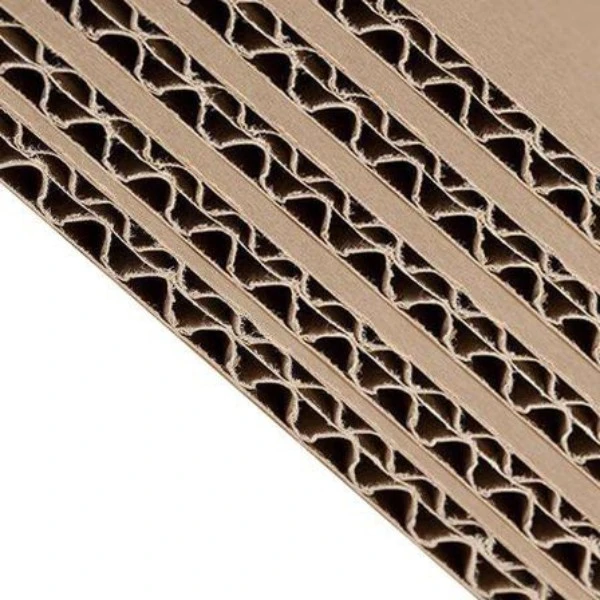 What Makes BB-Flute Double-Wall Corrugated Board the Smart Choice for Medium-Duty Packaging2026/11/25
When packaging teams look for a board that balances thickness, compression support, and cushioning without over-engineering the box, Zhongyi Intelligent Packaging Co., Ltd. often recommends BB-Flute Double-Wall Corrugated Board. As a five-layer construction with two B-flute layers, this board delive......
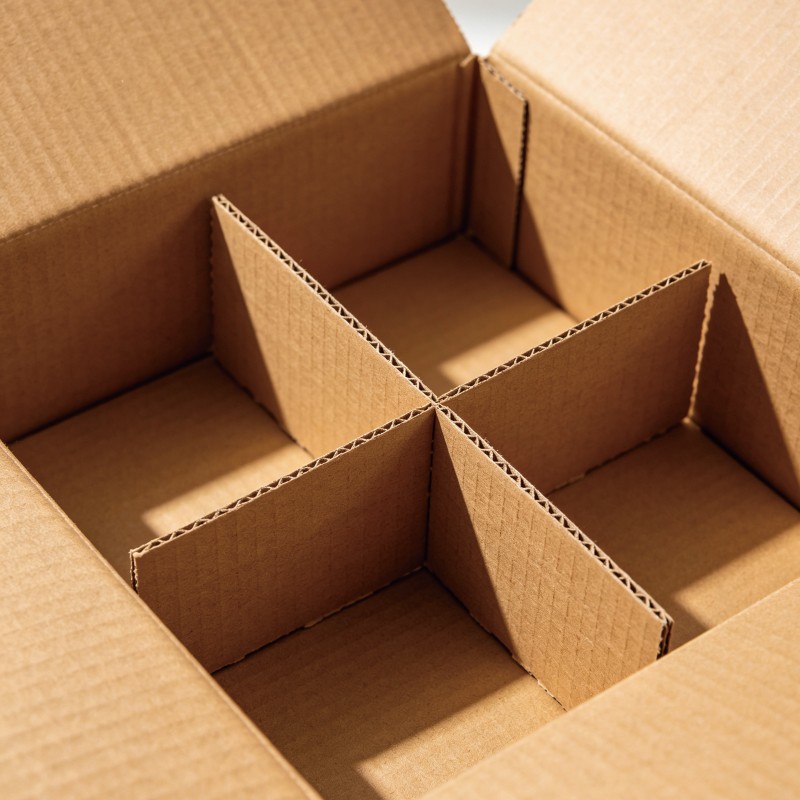 What Makes Cross-Slot Cardboard Dividers the Smartest Packaging Upgrade for Fragile and High-Value Goods2026/11/20
If you are sourcing protective inserts for shipping cartons, retail boxes, or gift boxes, this guide from Zhongyi answers that question with practical, factory-direct insights. As a specialized manufacturer of cross-slot cardboard dividers, Zhongyi helps brands cut damage rates, reduce packing time,......