

Call Us
+86-18332577666
Email Us
xiaomengxuan123@126.com




Natural Kraft Paper
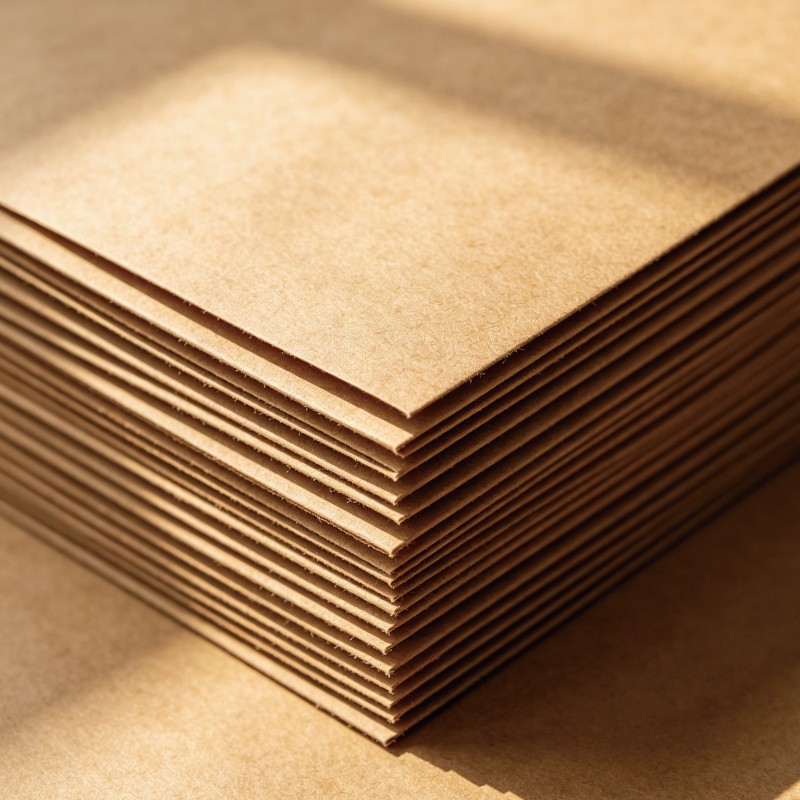
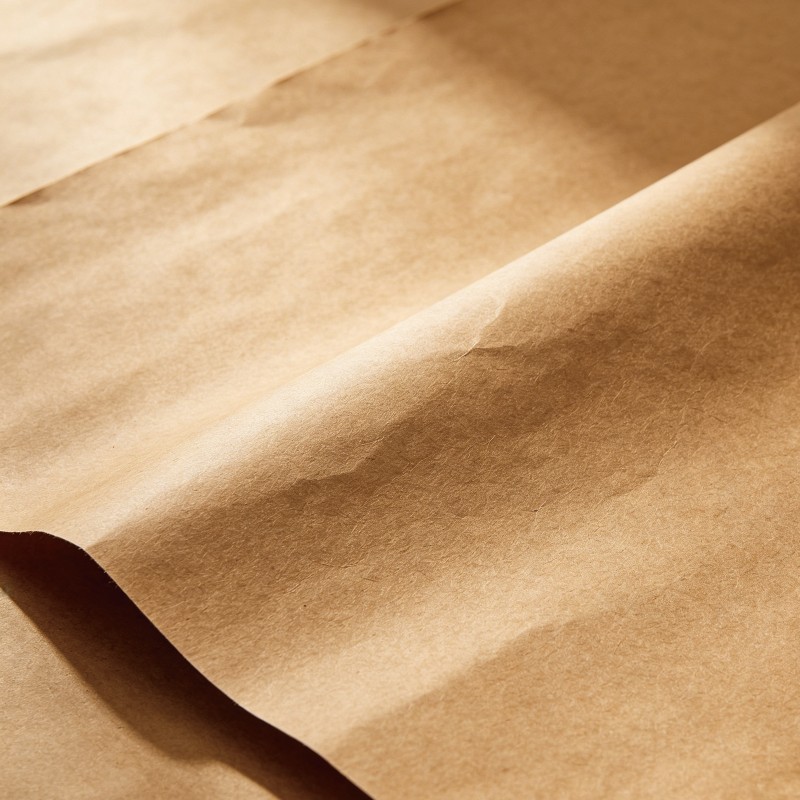
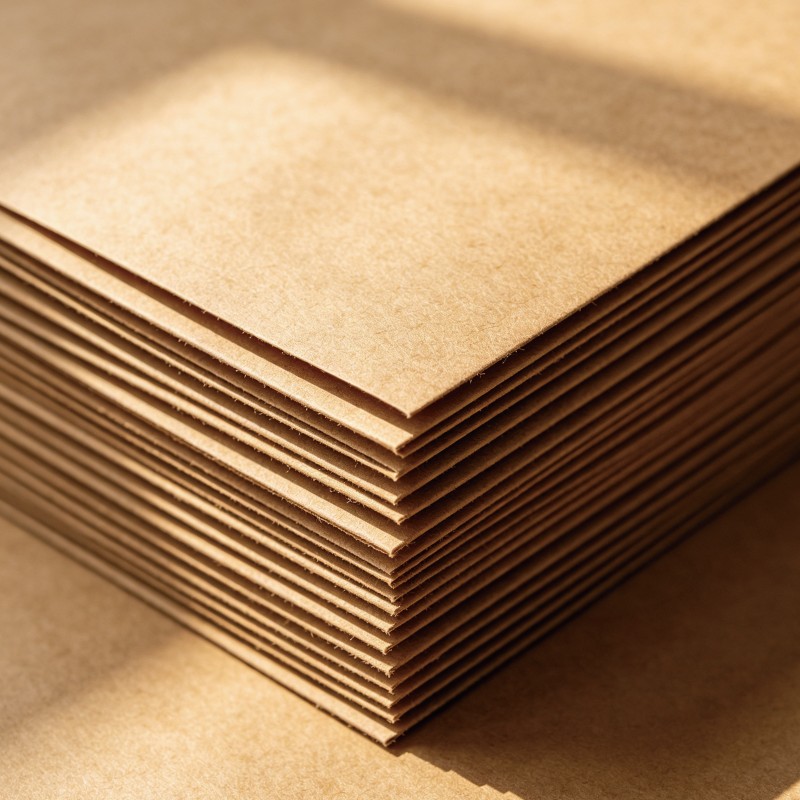
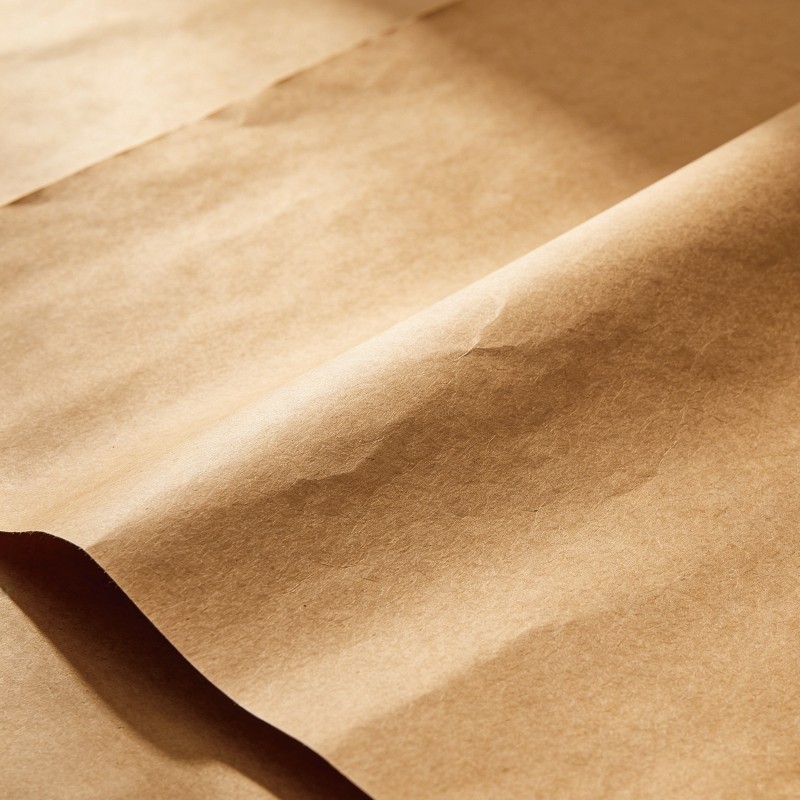
As a professional manufacturer and supplier of natural kraft paper, ZHONGYI offers a product that retains its natural tan hue and wood-grain texture, featuring uniform color consistency on both sides. Its long-fiber structure provides excellent tensile strength and burst resistance, ensuring durability against tearing or breakage; the paper is suitable for various processing applications, including bag making, packaging, printing, extrusion coating, and lamination. Available in basis weights ranging from 40g to 150g, the paper can be customized in both roll and sheet formats.
Send Inquiry
Product Description
Natural Kraft Paper is manufactured primarily from unbleached long-fiber softwood pulp. It retains the natural yellowish-brown texture of the wood and features uniform color on both sides. Characterized by long fibers and high toughness, it offers outstanding tensile strength and tear resistance. It is suitable for various converting processes, including printing, die-cutting, creasing, bag making, lamination, and extrusion coating. Distinct from white kraft paper, kraft linerboard, or white-lined chipboard, it is ideal for natural, vintage-style aesthetics and high-strength packaging applications.
Key Applications
Eco-friendly shopping bags, takeout bags, bakery bags, and packaging for tea, dried fruits, and other foods
Gift wrapping, garment dust covers, product wrapping paper, and anti-rust interleaving paper for industrial parts
Carton liners, document folders, envelopes, hang tags, and release liners for self-adhesive labels
Raw material for extrusion coating and lamination to produce grease- and water-resistant food packaging
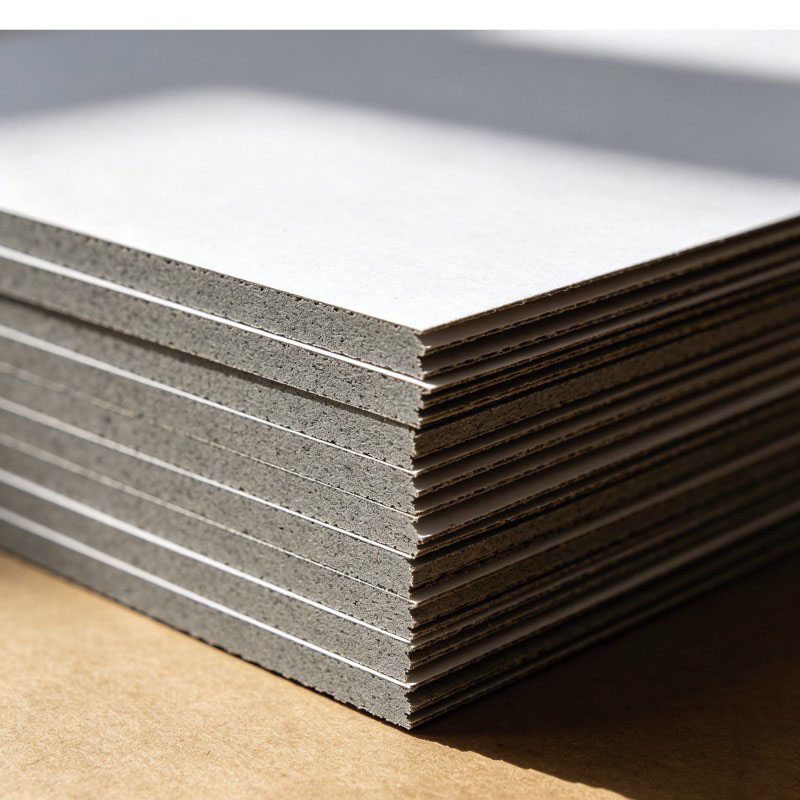
Green packaging for export; a plastic alternative that pairs well with kraft paper tape and paper backing boards for a complete packaging solution
Key Advantages
Long-fiber virgin pulp; high toughness and durability
The unbleached long-fiber structure provides excellent tensile strength and burst resistance; bags offer high load-bearing capacity and resist splitting or tearing during handling.
Natural color and texture; vintage, minimalist style
Features a natural yellowish-brown hue without bleaching; the organic texture aligns with the visual identity of eco-friendly, creative, bakery, and affordable luxury brands.
Green and low-carbon; recyclable and biodegradable
Eliminates chemical bleaching and fluorescent whitening agents; waste is recyclable for papermaking, meeting cross-border eco-friendly packaging standards.
Versatile processing capabilities
Supports flexo printing, offset printing, single/dual-color printing, hot stamping, embossing, die-cutting, folding, heat sealing, and extrusion coating/lamination.
Good breathability
Ideal for packaging items that require moderate airflow---such as bread, fresh fruit, and tea---preventing moisture buildup.
Wide range of specifications
Available in various grammages; supplied in both rolls and sheets with custom slitting widths; options include standard grade and food-contact grade. Consistent Cost-Performance Ratio
Offers a clear cost advantage for equivalent strength levels; widely suitable for mass-produced, standardized, eco-friendly packaging.
Technical Specifications
1. Raw Material Grades
Virgin wood pulp natural kraft paper (Recommended: high strength, low impurity content)
Mixed pulp natural kraft paper (General-purpose, economical)
Food-grade natural kraft paper (Food-contact safe; compliant with testing standards)
2. Standard Grammage (g/m²)
40g, 50g, 60g, 70g, 80g, 90g, 100g, 120g, 140g, 150g
3. Supply Formats
Rolls: Width slit to order; compatible with bag-making machines and extrusion coating lines
Sheets: Standard sizes (787×1092mm / 889×1194mm); custom cutting available
4. Optional Processing
Single/double-sided PE coating (waterproof & oil-resistant), aluminum foil lamination, calendering
5. Key Performance Indicators
High breaking length; excellent longitudinal tensile strength
Good fold endurance; resistant to cracking during folding
Stable moisture content; minimizes warping during processing
Uniform ink absorption; suitable for single-color text and logo printing
6. Shipping Packaging
Rolls feature reinforced cores and moisture-proof outer wrapping; sheets are packed on wooden pallets with edge protectors and moisture-proof wrapping.
Application Areas
1. Bakery, Food Service, and Food Industries
Applications: Bread bags, sandwich wrap, takeout bags, inner bags for nuts/tea
Case Study: Bakeries use 80g natural kraft paper for bread bags; the material is breathable (preventing sogginess), and its natural aesthetic enhances the store's brand image.
2. Creative Goods, Gifts, and Apparel Industries
Applications: Gift wrapping paper, garment dust covers, shopping bags, creative tags, envelopes
Case Study: Apparel brands use it for inner garment packaging; the paper is soft and won't scratch fabrics, while its eco-friendly style aligns with brand positioning. 3. Industrial, Hardware, and Logistics Packaging
Suitable products: Protective wrapping paper for parts, carton liners, cargo wrapping, and document envelopes.
Real-world application: Hardware factories use it to wrap metal components, preventing dents and scratches during transport and serving as an alternative to plastic film.
4. Printing and Bag Manufacturing
Suitable applications: Eco-friendly tote bags, paper courier bags, release liners for self-adhesive labels, and base paper for extrusion coating.
Real-world application: Bag manufacturers use natural kraft paper rolls for high-speed tote bag production; the material runs smoothly on machinery with a low breakage rate.
5. Cross-border E-commerce and Export Trade
Suitable applications: Outer packaging for FBA (Fulfillment by Amazon) shipments and eco-friendly alternatives to plastic packaging bags.
Real-world application: Exporters switch from plastic bags to this paper to comply with overseas environmental regulations and ensure smooth customs clearance. Certification and Quality Assurance
Certification and Quality Assurance
1. Documentation Support
Complies with national standards for packaging paper.
Food-grade variants come with safety test reports for food contact.
SGS and RoHS test data available to support customs clearance and bidding processes.
2. Four-Stage Factory Quality Control System
Raw material inspection: Monitoring fiber composition, tensile strength, impurities, and whiteness.
Real-time monitoring: Thickness uniformity checked during papermaking and calendering.
Finished product testing: Tensile strength, burst strength, and printability.
Visual inspection during slitting: Removal of sheets with holes, dirt spots, or thickness deviations; finished product pass rate ≥ 99.6%.
After-Sales and Usage Services
Selection guidance: Recommendations on basis weight and grade based on specific applications (bag making, wrapping, or extrusion coating) and load-bearing requirements.
Process advice: The natural base color of Natural Kraft Paper is not ideal for large-area, high-detail four-color printing; single- or two-color printing is recommended.
Quality assurance: Coordination of replacements or returns in the event of holes, widespread dirt spots, or dimensional deviations upon receipt.
Long-term support: Records of frequently used roll widths and sheet sizes are maintained to streamline repeat orders.
Packaging and Shipping Standards
1. Product Packaging
Rolls feature reinforced cores and moisture-proof outer wrapping; sheets are palletized with top and bottom protective boards and moisture-proof stretch wrap; outer packaging is labeled with basis weight, specifications, and grade.
2. Logistics Methods
Express delivery for samples; dedicated freight lines and full-truckload shipping for bulk orders; neutral export packaging available for international trade.
3. Shipping Lead Times
Standard stock specifications: Shipped within 24 hours; Custom slitting/sizes: Production scheduled within 48 hours.
Customer Trust and Endorsements
1. Export Experience
Long-term supplier to bag manufacturers and food packaging enterprises; finished products (such as shopping bags and food packaging) are exported to Southeast Asia, Europe, and the Americas, meeting overseas environmental regulations.
2. Client Base
Serving the bakery supply chain, cultural and creative gift manufacturers, bag printing factories, and hardware manufacturers; many clients purchase these paper packaging materials as part of a comprehensive supply solution. 3. Supply Capability
We maintain stable connections with upstream paper mills and keep continuous stock of rolls and sheets in various basis weights, accommodating orders of all sizes.
4. Authentic Customer Testimonials
① "The pure wood pulp kraft paper offers excellent tensile strength; it rarely breaks during high-speed bread bag manufacturing, and customers love the natural, unbleached look." --- Bag Manufacturer (Purchasing Dept.) ② "We use it to wrap hardware parts; it is tough, doesn't shed fibers or scratch the workpieces, and offers consistent value for money." --- Hardware Processing Plant ③ "It serves as a plastic-free alternative for export packaging, meeting international environmental standards; using it alongside matching kraft paper tape makes the whole process hassle-free." --- Cross-border E-commerce Supplier
Sample Support, Quality Assurance, and Return/Exchange Policy
1. Sample and Testing Support
Samples (rolls or sheets) available for testing tensile strength, machine compatibility, and print quality.
Food-grade variants come with safety compliance reports suitable for customs clearance and tender applications.
2. Quality Assurance
6-month warranty under proper storage conditions (dry and well-ventilated).
Replacements arranged for defects caused by raw materials or manufacturing processes, such as holes, uneven thickness, or excessive contamination spots. Damage due to moisture during storage or improper downstream processing by the customer is not covered. 3. Return and Exchange Policy
Exchanges can be negotiated if samples are unsatisfactory.
In the event of manufacturing or visual quality defects in mass-production orders, replacement or return/exchange can be negotiated.
If a customer selects the wrong basis weight or grade, we can assist in exchanging specifications provided the goods remain intact, have not been loaded onto machinery, and are suitable for resale.
In-stock items on intact, unopened pallets are eligible for "no-reason" returns or exchanges within 7 days; however, products that have undergone custom slitting or cutting are non-returnable and non-exchangeable.
Customization Process and Production Workflow
1. Comprehensive Communication Process
Requirement discussion (basis weight, roll width/sheet size, grade, food-grade status, suitability for PE coating) → Solution recommendation → Sample dispatch (upon request) → Order confirmation → Slitting and production scheduling → Visual inspection → Moisture-proof packaging and shipment → After-sales follow-up
2. Basic Production Workflow
Pulp blending → Fourdrinier paper formation → Multi-roll calendering/smoothing → Drying and moisture conditioning → Parent roll rewinding → Roll slitting/sheet cutting → Visual spot checks → Moisture-proof packaging and warehousing
FAQ
Q1: Why does Natural Kraft Paper sometimes lack tensile strength and cause bag breakage during manufacturing?
A: First, verify the material grade; paper containing mixed short fibers tends to have lower tensile strength. For heavy-duty tote bags, we recommend using pure wood pulp paper with a basis weight of 80g or higher.
Q2: What key specifications are required when purchasing natural kraft paper?
A: Basis weight, roll width or sheet size, grade (industrial vs. food-grade), intended use (bag making, wrapping, or PE coating), and machinery type.
Q3: Can natural kraft paper be stored outdoors for extended periods?
A: Not recommended. Tensile strength drops significantly if the paper absorbs moisture; please store it in a dry, well-ventilated warehouse and ensure it is covered for moisture protection.
Q4: Do you offer tiered pricing for bulk orders? Can prices be negotiated for long-term partnerships?
A: Yes, unit prices decrease as order volume increases (tiered pricing). Customers with stable, long-term repeat orders can negotiate exclusive pricing and receive priority stock allocation.
Q5: Is food-grade natural kraft paper oil- and water-resistant?
A: The base paper itself is not oil- or water-resistant; if barrier properties are required, PE coating processing is necessary.
Hot Tags: Natural Kraft Paper, Manufacturer, Supplier, Wholesale
Related Categories
Send Inquiry
Please feel free to fill your inquiry in the form below. We will reply you in 24 hours.
Related Products
-
E-mail
X
We use cookies to offer you a better browsing experience, analyze site traffic and personalize content. By using this site, you agree to our use of cookies.
Privacy Policy
News
 Recycling: The Green Loop of Corrugated Board2026/07/22
The environmental value of corrugated board lies not only in its renewable raw materials but also in its highly efficient global recycling system.
 Board Grades: From Single-Wall to Triple-Wall2026/07/22
Corrugated board is not a one-size-fits-all material.